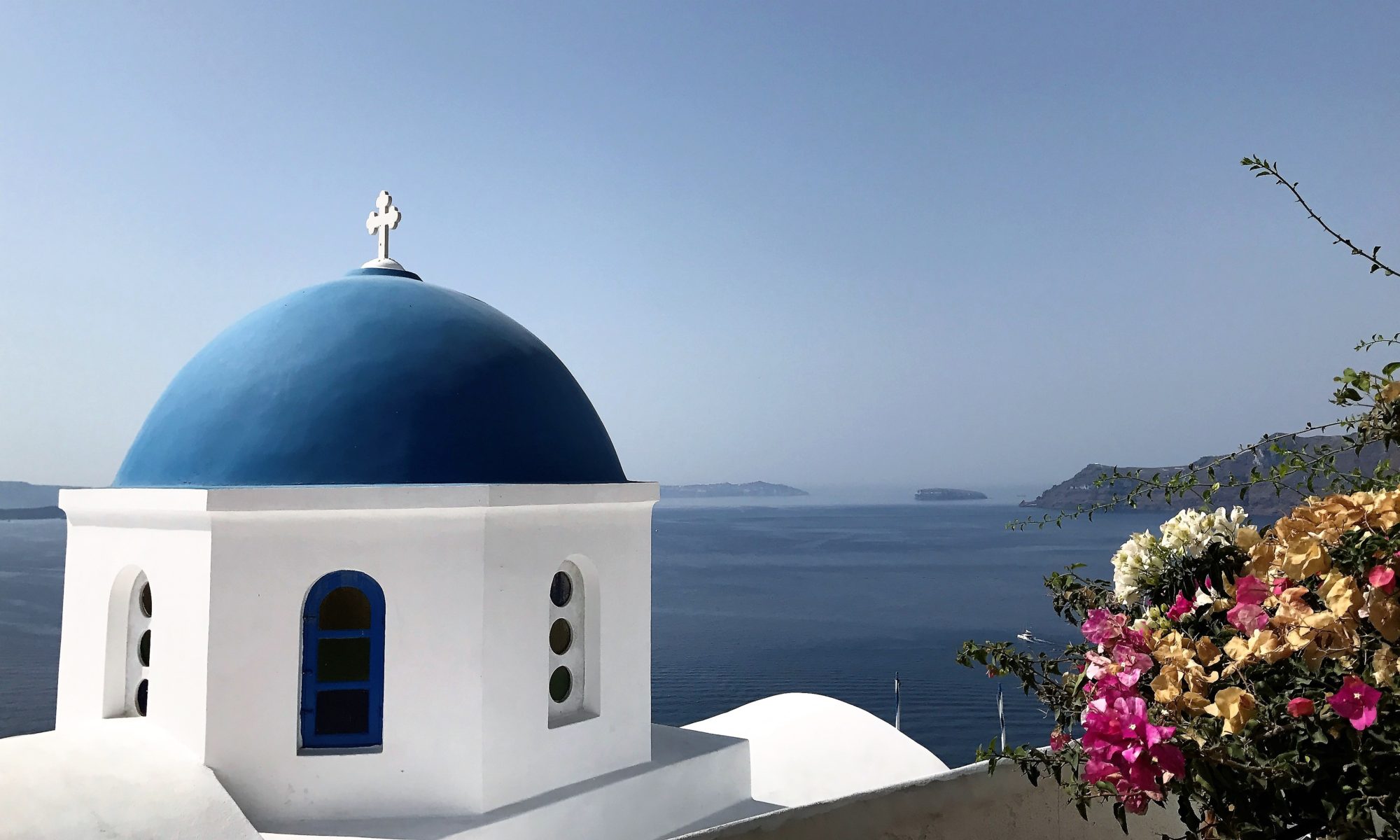

Nestled in the rolling hills of Fruška Gora National Park, Krusedol (Krušedol) Monastery is both an architectural marvel and a living monument to Serbian heritage, resilience and spirituality. Built in the early 16th century, this stunning Orthodox monastery stands as a powerful testament to the legacy of the Branković family and the turbulent history of the region.

Royal and Spiritual Founders
Between 1509 and 1514, Bishop Maxim, born monarch Đorđe Branković, founded the monastery with significant support from his cousin, Jovan Njagoj, the Duke of Wallachia. They were also aided by Grand Prince Vasili of Russia, whose financial contribution reflects the monastery’s wide-reaching importance.

This wasn’t just a place of worship. It was the final home of Bishop Maxim and his mother, Saint Angelina. Both lived, died and were canonized here. Today their relics are central to the monastery’s sacred identity. They sit in caskets in their final resting place on either side of the iconostasis.
Over the centuries, Krušedol Monastery continued its practice of being both sanctuary and mausoleum. Here, many Serbian clergy and nobility lie, earning it the name “The Serbian Pantheon.” Among those buried here are King Milan Obrenović and his wife, Duchess Ljubica.
In 1710, Metropolitan Isaija Đaković even transferred the relics of Patriarch Arsenije III Čarnojević from Vienna to this monastery, solidifying its place as a spiritual cornerstone of Serbian Orthodoxy.
Destruction and Restoration
Tragically, following the Battle of Petrovaradin in 1716, retreating Ottoman forces looted and set fire to Krušedol Monastery, even going as far as destroying the sacred relics of the Branković family. But like so much of Serbia’s cultural heritage, Krušedol rose from the ashes.

As such, the monastery lays bare both its scars and its remarkable rebirth, a metaphor for the Serbian spirit itself.
One of the most remarkable features of Krušedol Monastery is its iconostasis, featuring icons that span from the 16th to the 18th century. Among these, one stands out, the magnificent Deisis, hailed as one of the finest Orthodox paintings of the 16th century.
Art lovers and spiritual seekers alike will find something profoundly moving in the layers of history embedded in these works.

Monastery Treasures
At its peak, Krušedol held the richest treasury of any monastery in the Fruška Gora region. It safeguarded the jewels, manuscripts, and artifacts of the Branković family and other Serbian nobles for centuries. Unfortunately, this priceless collection was looted in 1942 during World War II.

Thankfully, the monastery preserved a portion of these treasures, now showcased in its permanent museum exhibition. The display offers visitors a rare opportunity to glimpse the spiritual and material wealth of old Serbia.
The church itself safeguards the most remarkable treasures. Although photography inside is prohibited, the frescoes reveal layers of history to those who enter. Restorers enriched the upper paintings with vivid Baroque-era colors, while the lower walls at the front preserve earlier examples of sacred art. Among the painted saints, are depictions of the Monastery’s founder, his family and St. Sava.

Good To Know
Just a short drive from Novi Sad or Belgrade, Krušedol Monastery is an unmissable stop on any Serbian travel itinerary. Krušedol Monastery is not just a religious site, it’s a symbol of endurance, faith and cultural memory. From royal burials and sacred relics to artistic masterpieces and wartime survival, it embodies the richness of Serbian national identity.
Whether you’re exploring the Fruška Gora Monasteries Trail, diving into the depths of Serbian Orthodox history or simply searching for a quiet place to reflect, Krušedol offers it all.
Would I Return?
Yes. The monastery is still a working monastery. In addition to being an active church, the resident monks make and sell local products including some excellent wine.
Plus, I might adopt one of the friendly resident kittens.

Follow us at DukesGlobalAdventures.com for more epic stories, travel inspiration and hidden gems across the globe.
Discover more from Dukes Global Adventures
Subscribe to get the latest posts sent to your email.
One Reply to “Krusedol Monastery”